What Is Social Media?
Definition and Core Concept
Social media is no longer just a buzzword thrown around in marketing meetings or casual conversations—it has become a central pillar of modern life. At its core, social media refers to digital platforms and technologies that allow users to create, share, and interact with content in real time. Think about it like a massive virtual gathering space where billions of people hang out, exchange ideas, and express themselves daily. Whether it’s posting a photo on Instagram, tweeting a thought, or sharing a video on TikTok, every action contributes to a constantly evolving digital ecosystem.
What makes social media particularly fascinating is its interactive nature. Unlike traditional media such as television or newspapers, where communication is one-way, social media thrives on two-way or even multi-way communication. You’re not just consuming content—you’re participating in it. You comment, react, share, remix, and even create trends. It’s like being both the audience and the performer on a global stage.
Another key element is accessibility. Almost anyone with an internet connection can join a social media platform and instantly connect with others across the globe. This democratization of communication has given a voice to individuals who might never have been heard otherwise. Small creators, independent businesses, and everyday users now have the same potential reach as large corporations.
Table of Contents
ToggleThe Ultimate Guide to Social Media: Impact
But here’s the catch: while social media feels casual and spontaneous, it’s powered by sophisticated algorithms and data systems that shape what you see and how you interact. So, while you might think you’re scrolling freely, there’s a carefully curated experience happening behind the scenes.
Evolution of Social Media Platforms
Social media didn’t just appear overnight—it evolved gradually, shaped by technological advancements and changing user behavior. If you rewind to the late 1990s and early 2000s, platforms like Six Degrees and Friendster were among the first to introduce the idea of connecting people online. These early networks laid the groundwork, even though they lacked the scalability and features we take for granted today.
The mid-2000s marked a turning point with the arrival of platforms like Facebook, YouTube, and Twitter. Facebook transformed how people connected with friends and family, while YouTube revolutionized video sharing. Twitter, on the other hand, introduced the concept of microblogging, allowing users to share thoughts in short, real-time updates. These platforms didn’t just grow—they exploded, attracting millions and eventually billions of users worldwide.
Fast forward to the 2010s, and we saw the rise of visually-driven platforms like Instagram, Snapchat, and Pinterest. These platforms emphasized images, short videos, and stories, reflecting a shift in user preference toward quick, engaging content. The introduction of features like Stories and live streaming further increased user interaction and engagement.
Today, platforms like TikTok are redefining social media once again, focusing heavily on short-form video content powered by advanced AI algorithms. The evolution continues, with new technologies like augmented reality (AR) and virtual reality (VR) beginning to shape the next generation of social experiences.
What’s interesting is that each phase of social media evolution reflects broader cultural and technological shifts. As our attention spans change and our devices become more powerful, social media adapts accordingly. It’s not just a tool—it’s a mirror of society itself.
The Rise of Social Media
Early Beginnings and Milestones
The journey of social media from niche online communities to a global phenomenon is nothing short of remarkable. In the early days, the internet was primarily a static space—websites were informational, and interaction was limited. But that began to change with the introduction of platforms that allowed users to create profiles and connect with others. One of the earliest examples, Six Degrees (1997), allowed users to list friends and browse connections, planting the seed for what would become a digital revolution.
As the early 2000s rolled in, platforms like Friendster and MySpace gained traction. MySpace, in particular, became a cultural hub where users could customize their profiles, share music, and express their identities. It was chaotic, colorful, and incredibly popular. For many, it was their first taste of online self-expression. However, technical limitations and poor user experience eventually led to its decline.
Then came a game-changer: Facebook in 2004. Initially limited to college students, Facebook quickly expanded and introduced a cleaner interface, real-name policies, and a focus on real-world connections. This marked a shift from anonymous or pseudonymous interaction to more authentic online identities. Around the same time, LinkedIn emerged as a professional networking platform, showing that social media wasn’t just for fun—it could also be a powerful career tool.
Another milestone was the launch of YouTube in 2005, which democratized video content creation. Suddenly, anyone with a camera and an internet connection could become a content creator. This paved the way for the influencer economy we see today.
Each of these milestones didn’t just add new features—they redefined how people interacted online. They turned the internet from a passive space into a dynamic, user-driven environment.
Growth in the 21st Century
The 21st century has witnessed an explosive growth in social media usage, driven by the rapid adoption of smartphones and high-speed internet. Today, over 4.9 billion people worldwide use social media, according to recent estimates. That’s more than half of the global population—a statistic that highlights just how deeply integrated these platforms have become in our daily lives.
One of the biggest catalysts for this growth has been mobile technology. With smartphones becoming more affordable and accessible, people can now connect to social media anytime, anywhere. Waiting in line? Scrolling. Commuting? Watching videos. Social media has seamlessly woven itself into the fabric of everyday routines.
Another factor is the diversification of content formats. From text and images to live streams and short-form videos, social media platforms have continuously evolved to keep users engaged. Platforms like TikTok and Instagram Reels have capitalized on the popularity of bite-sized content, making it easier than ever to consume and create engaging material.
Businesses have also played a significant role in this growth. Social media has become a critical marketing channel, allowing brands to reach targeted audiences with precision. Paid advertising, influencer collaborations, and data analytics have turned these platforms into powerful business tools.
However, this rapid growth hasn’t come without challenges. Issues like misinformation, data privacy concerns, and digital addiction have sparked global debates. Governments and organizations are now working to regulate and manage the impact of social media.
Still, one thing is clear: social media isn’t slowing down. It’s evolving, expanding, and continuing to shape how we communicate, work, and live.
Types of Social Media Platforms
Social Networking Sites
When most people think of social media, the first thing that comes to mind is platforms like Facebook or LinkedIn—and for good reason. These are classic examples of social networking sites, designed primarily to connect people. At their core, these platforms are all about relationships. Whether it’s staying in touch with family, reconnecting with old classmates, or building professional networks, social networking sites act like a digital web of human connections.
What makes these platforms particularly powerful is how they mirror real-life interactions while adding layers of convenience and reach. You can message someone across the world instantly, join groups based on shared interests, or even attend virtual events without leaving your home. It’s like carrying your entire social circle in your pocket. And unlike traditional communication methods, these interactions are often public or semi-public, allowing others to engage, react, and contribute to the conversation.
From a professional standpoint, platforms like LinkedIn have redefined how careers are built. Job hunting, networking, and personal branding all happen within a single ecosystem. Recruiters actively search for candidates, while individuals showcase their skills, achievements, and thought leadership. It’s not just about who you know anymore—it’s about how you present yourself online.
But here’s something worth thinking about: while these platforms are designed to bring people closer, they can sometimes create an illusion of connection. Having hundreds or even thousands of “friends” doesn’t necessarily translate to meaningful relationships. That’s why many users are becoming more intentional about how they engage, focusing on quality over quantity.
Media Sharing Platforms
If social networking sites are about connections, media sharing platforms are about expression. These platforms revolve around content—photos, videos, and even live streams. Think Instagram, YouTube, TikTok, and Snapchat. They’ve transformed the way we tell stories, turning everyday moments into shareable experiences.
What’s fascinating is how these platforms have shifted the balance of power from traditional media to individual creators. In the past, you needed a production team and a big budget to reach a wide audience. Now? A smartphone and a creative idea can be enough to go viral. That’s why we’ve seen the rise of influencers, content creators, and digital entrepreneurs who build entire careers around their online presence.
Short-form video, in particular, has become the dominant format. Platforms like TikTok have mastered the art of capturing attention in just a few seconds. Their algorithms are incredibly effective at understanding user preferences, delivering content that feels almost tailor-made. You open the app intending to watch one video, and suddenly an hour has passed—it’s that engaging.
However, this constant stream of content comes with its own challenges. The pressure to create and stay relevant can be intense, especially for creators. There’s also the issue of comparison—seeing curated highlights of other people’s lives can sometimes lead to unrealistic expectations. Still, when used mindfully, these platforms offer endless opportunities for creativity and connection.
Discussion Forums and Communities
Not all social media platforms are about flashy visuals or large friend lists. Some are built around conversations and shared interests. Platforms like Reddit, Quora, and Discord fall into this category, offering spaces where people can dive deep into topics they care about.
These platforms feel more like digital communities than traditional social networks. Instead of following individuals, users often engage with topics or groups—known as subreddits, servers, or forums. Whether you’re into technology, fitness, gaming, or niche hobbies like vintage watch collecting, there’s likely a community for you.

One of the biggest strengths of these platforms is the depth of discussion. Unlike the fast-paced nature of Instagram or TikTok, forums encourage thoughtful conversations. People ask questions, share experiences, and provide detailed answers. It’s like having access to a global pool of knowledge and perspectives.
But there’s a flip side. Because many of these platforms allow anonymity, they can sometimes become breeding grounds for misinformation or toxic behavior. Moderation plays a crucial role in maintaining healthy communities, and many platforms rely on both automated systems and human moderators to keep things in check.
Still, for those looking to learn, share, and connect on a deeper level, discussion-based social media offers something truly valuable—a sense of belonging and intellectual engagement that goes beyond likes and shares.
Benefits of Social Media
Personal Communication and Connectivity
Imagine trying to stay in touch with friends and family across different countries without social media. It would feel like going back in time, relying on occasional phone calls or emails. Today, social media has made communication instant, seamless, and incredibly dynamic. Whether it’s a quick message, a video call, or sharing a life update, staying connected has never been easier.
One of the biggest advantages is accessibility. You don’t need expensive tools or complicated setups—just a smartphone and an internet connection. This has been especially important during global events like the COVID-19 pandemic, where physical distancing made digital communication essential. Social media became a lifeline, helping people maintain relationships and emotional support.
Another interesting aspect is how these platforms allow people to maintain both strong and weak ties. Strong ties include close friends and family, while weak ties might be acquaintances or old classmates. Both play a role in our social lives, and social media helps keep those connections alive without much effort.
There’s also an element of self-expression. People use social media to share their thoughts, achievements, and experiences. It’s like a digital diary, but with an audience. This can be empowering, giving individuals a sense of identity and belonging.
However, it’s important to strike a balance. While social media enhances communication, over-reliance can sometimes reduce face-to-face interactions. The key is to use it as a tool to complement real-life relationships, not replace them.
Business and Marketing Advantages
For businesses, social media isn’t just an option—it’s a necessity. It has completely transformed how companies interact with customers, market their products, and build brand identity. Traditional advertising methods like TV and print are no longer enough on their own. Today, social media marketing plays a central role in business strategy.
One of the biggest advantages is targeted advertising. Platforms like Facebook and Instagram allow businesses to reach specific audiences based on demographics, interests, and behavior. This level of precision was unimaginable a few decades ago. Instead of casting a wide net, businesses can focus on the people most likely to be interested in their products.
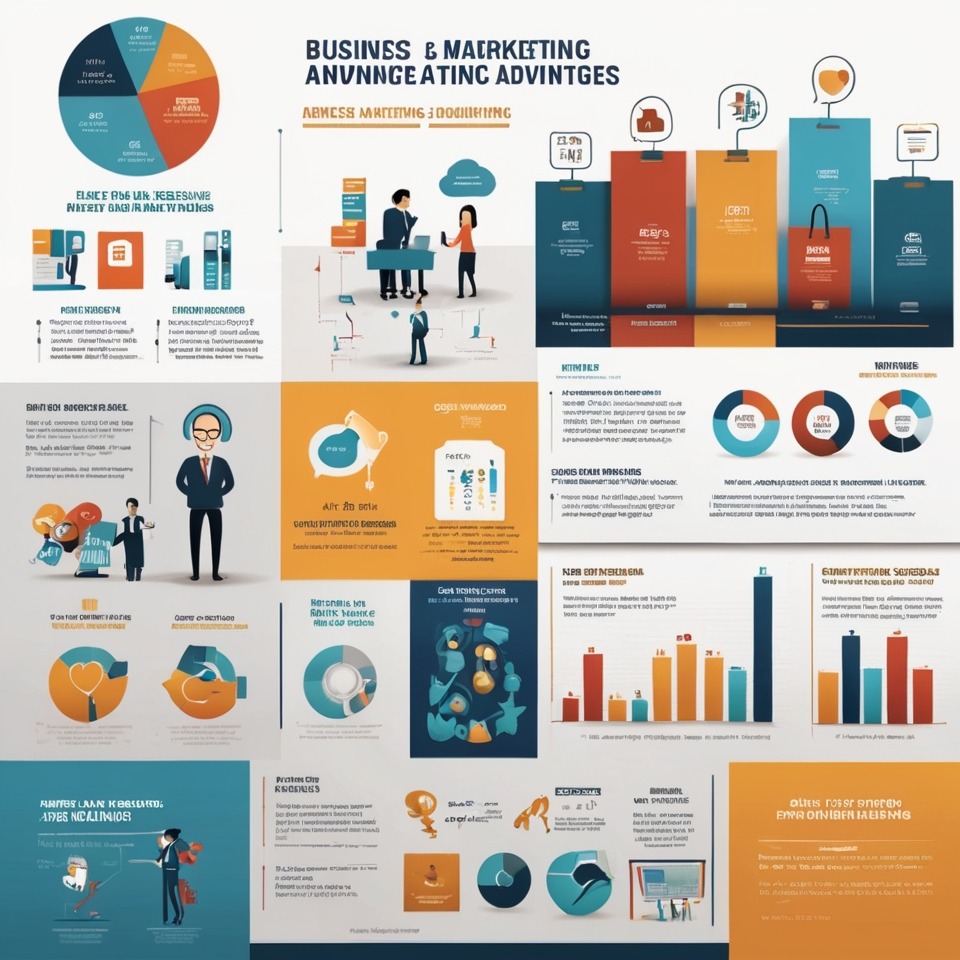
Here’s a quick comparison of traditional vs. social media marketing:
| Feature | Traditional Marketing | Social Media Marketing |
|---|---|---|
| Cost | High | Flexible/Low |
| Audience Targeting | Broad | Highly Specific |
| Interaction | One-way | Two-way |
| Measurability | Limited | Detailed Analytics |
Another major benefit is real-time engagement. Customers can comment, ask questions, and provide feedback instantly. This creates a sense of transparency and trust. Brands that respond quickly and authentically often build stronger relationships with their audience.
Social media also levels the playing field. Small businesses and startups can compete with larger companies by creating compelling content and engaging with their audience. A single viral post can bring massive visibility, something that would have required a huge budget in the past.
At the same time, the competition is fierce. With so many brands vying for attention, standing out requires creativity, consistency, and a deep understanding of your audience. It’s not just about selling—it’s about storytelling and building a community around your brand.
The Dark Side of Social Media
Social media may look like a highlight reel of perfect lives, but behind the scenes, it can quietly take a toll on mental well-being. The constant exposure to curated content—vacations, achievements, flawless selfies—can lead to unhealthy comparisons. You might find yourself wondering, “Why doesn’t my life look like that?” even though deep down you know those posts don’t tell the full story. This phenomenon, often referred to as “comparison culture,” has been linked to increased levels of anxiety, depression, and low self-esteem, especially among younger users.
Research consistently shows a correlation between heavy social media usage and mental health challenges. According to studies, individuals who spend more than 3 hours a day on social platforms are significantly more likely to experience symptoms of depression. The endless scrolling, combined with the dopamine-driven reward system of likes and comments, can create a cycle that feels almost addictive. It’s like pulling a slot machine—you keep refreshing, hoping for another hit of validation.
Another factor is cyberbullying, which has become a serious issue in the digital age. Unlike traditional bullying, it doesn’t stop when you leave school or work—it follows you home, living in your pocket. Negative comments, harassment, or even subtle exclusion can have long-lasting emotional effects.
Sleep disruption is another overlooked consequence. Late-night scrolling can interfere with sleep patterns, and the blue light emitted by screens affects melatonin production. Over time, this can impact both mental and physical health.
That said, social media isn’t inherently harmful—it’s all about how it’s used. Being mindful of screen time, curating your feed, and taking regular digital breaks can make a significant difference. Think of it like food: in moderation, it’s enjoyable; in excess, it can become unhealthy.
Privacy and Security Risks
While social media connects people, it also collects an enormous amount of data—sometimes more than users realize. Every like, share, comment, and even the time you spend viewing a post contributes to a digital profile that platforms use to personalize your experience. While this can make social media feel intuitive and engaging, it also raises serious privacy concerns.
One of the biggest risks is data misuse. Personal information can be exploited for targeted advertising, and in some cases, it may even be accessed by third parties without clear consent. High-profile data breaches over the years have shown that no platform is completely immune to security vulnerabilities. When millions of user accounts are exposed, the consequences can be severe—from identity theft to financial fraud.
Another issue is oversharing. It’s easy to forget that what you post online can be seen by a wide audience, sometimes beyond your intended circle. Sharing location details, personal milestones, or sensitive information can make users vulnerable. For example, posting vacation photos in real time might unintentionally signal that your home is unoccupied.
There’s also the growing concern of fake profiles and scams. Cybercriminals often create convincing accounts to trick users into sharing personal information or clicking malicious links. These scams are becoming increasingly sophisticated, making it harder to distinguish between genuine and fraudulent content.
To stay safe, users need to be proactive. Adjusting privacy settings, using strong passwords, enabling two-factor authentication, and being cautious about what you share can go a long way. Social media platforms are continuously improving their security measures, but ultimately, user awareness plays a crucial role.
Social Media and Business Growth
Branding and Customer Engagement
If you think branding is just about logos and color schemes, social media will quickly change your perspective. Today, branding is about personality, voice, and connection, and social media is where all of that comes to life. Businesses are no longer distant entities—they’re active participants in conversations, responding to comments, sharing stories, and building relationships with their audience.
One of the most powerful aspects of social media is customer engagement. Unlike traditional marketing channels, where communication is mostly one-sided, social media allows for direct interaction. Customers can ask questions, share feedback, and even voice complaints publicly. While that might sound intimidating, it’s actually an opportunity. Brands that respond quickly and authentically can turn even negative experiences into positive ones.
Take, for example, companies that use humor or relatable content to connect with their audience. These brands often feel more human, making them more memorable. It’s like the difference between talking to a robot and chatting with a friend—one feels transactional, the other feels genuine.
Consistency also plays a key role. Posting regularly, maintaining a clear brand voice, and delivering value through content helps build trust over time. Whether it’s educational posts, behind-the-scenes glimpses, or user-generated content, every interaction contributes to the overall brand image.
Another advantage is the ability to gather insights. Social media platforms provide detailed analytics, allowing businesses to understand what works and what doesn’t. This data-driven approach helps refine strategies and improve results over time.
Influencer Marketing Power
Influencer marketing has become one of the most effective strategies in the social media landscape. Instead of relying solely on traditional advertisements, brands collaborate with individuals who have built loyal followings. These influencers act as trusted voices, recommending products or services in a way that feels more authentic than conventional ads.
What makes influencer marketing so powerful is trust. Followers often view influencers as relatable figures rather than distant celebrities. When an influencer endorses a product, it feels like a recommendation from a friend rather than a sales pitch. This can significantly impact purchasing decisions.
Here’s a quick breakdown of influencer categories:
| Type | Follower Range | Key Advantage |
|---|---|---|
| Nano Influencers | 1K–10K | High engagement, niche audience |
| Micro Influencers | 10K–100K | Strong trust and relatability |
| Macro Influencers | 100K–1M | व्यापक reach |
| Mega Influencers | 1M+ | Massive visibility |
Interestingly, micro and nano influencers often deliver better engagement rates compared to larger influencers. Their audiences are more targeted and loyal, making their recommendations more impactful.
However, influencer marketing isn’t without challenges. Authenticity is crucial—audiences can quickly detect when a promotion feels forced or insincere. That’s why successful collaborations focus on alignment between the brand and the influencer’s values.
As social media continues to evolve, influencer marketing is likely to become even more sophisticated, incorporating new formats like live shopping and interactive content.
Social Media Algorithms Explained
Ever wondered why your social media feed feels so personalized? That’s the magic—or mystery—of algorithms. These complex systems analyze user behavior to determine what content appears on your feed. Every action you take—liking a post, watching a video, or even pausing for a few seconds—feeds into the algorithm.
At a basic level, algorithms prioritize content based on factors like:
- Engagement (likes, comments, shares)
- Relevance (your interests and past behavior)
- Recency (how recent the content is)
- Relationships (accounts you interact with frequently)
It’s like having a digital curator who learns your preferences over time. The more you use the platform, the better it gets at predicting what you’ll enjoy. That’s why your feed can feel eerily accurate at times.
However, this personalization can also create echo chambers, where users are primarily exposed to content that aligns with their existing views. While this keeps engagement high, it can limit exposure to diverse perspectives.
Tips to Beat the Algorithm
Navigating social media algorithms might seem tricky, but there are strategies to improve visibility and engagement. First and foremost, consistency matters. Posting regularly signals to the algorithm that you’re an active user, increasing the chances of your content being shown.
Engagement is another key factor. Encouraging likes, comments, and shares can boost your content’s reach. Asking questions, creating interactive posts, or using polls can make a big difference. It’s not just about broadcasting—it’s about starting conversations.
Timing also plays a role. Posting when your audience is most active increases the likelihood of immediate engagement, which can help your content gain traction. While optimal times vary, analytics tools can provide valuable insights.
Finally, focus on quality over quantity. High-quality, engaging content will always outperform generic posts. Think of it this way: the algorithm is like a gatekeeper, but your content is the key. The better the key, the easier it is to unlock visibility.
The Future of Social Media
Social media is constantly evolving, and the future promises even more exciting developments. One of the biggest trends is the rise of short-form video content, which continues to dominate platforms like TikTok and Instagram Reels. These quick, engaging videos cater to shorter attention spans and are highly shareable.
Another trend is social commerce, where users can shop directly within social media apps. This seamless integration of content and commerce is transforming the way people discover and purchase products. Live shopping events, in particular, are gaining popularity, combining entertainment with real-time purchasing.
There’s also a growing emphasis on authenticity. Users are becoming more aware of overly polished content and are gravitating toward more genuine, unfiltered experiences. This shift is encouraging brands and creators to be more transparent and relatable.
Role of AI and Virtual Reality
Artificial intelligence is already shaping social media, but its role is set to expand even further. From content recommendations to automated moderation, AI is at the heart of modern platforms. In the future, we can expect even more personalized experiences, with AI tailoring content to individual preferences in real time.
Virtual reality (VR) and augmented reality (AR) are also set to redefine social interactions. Imagine attending virtual events, exploring digital spaces, or even socializing in immersive environments. Platforms are already experimenting with these technologies, hinting at a more interactive and engaging future.Lorem ipsum dolor sit amet, consectetur adipiscing elit. Ut elit tellus, luctus nec ullamcorper mattis, pulvinar dapibus leo.
The concept of the metaverse is another area to watch. While still in its early stages, it represents a shift toward more immersive digital experiences, blending social media, gaming, and virtual economies.
Conclusion
Social media has become an integral part of modern life, influencing how we communicate, learn, and do business. It offers incredible opportunities for connection and growth, but it also comes with challenges that require careful navigation. Understanding its impact—both positive and negative—can help users make more informed choices and use these platforms more effectively.
FAQs
1. What is the main purpose of social media?
The primary purpose of social media is to connect people, enable communication, and allow users to share and interact with content in real time.
2. How does social media affect mental health?
It can have both positive and negative effects, including increased connectivity but also risks like anxiety, depression, and comparison.
3. Which social media platform is best for business?
It depends on the target audience, but platforms like Instagram, Facebook, and LinkedIn are widely used for business marketing.
4. Are social media algorithms controllable?
While you can’t control them directly, you can influence them through consistent posting and engagement strategies.
5. What is the future of social media?
The future includes AI-driven personalization, virtual reality experiences, and increased integration of e-commerce features.
Based On Your Answers
You Are Best Suited To….
Live Chat Assistant
Get paid to work as a live chat operator