The Rise of Wearable Health Technology
Technology used to sit on desks. Then it moved into our pockets. Now it quietly rests on our wrists, fingers, and even woven into our clothing. This evolution represents one of the most profound transformations in modern health care—the rise of wearable health technology.
The global wearable market has grown rapidly because people want to understand their bodies better. According to industry research, the wearable fitness tracker market is expected to grow from $72 billion in 2025 to nearly $291 billion by 2032, revealing just how powerful this trend has become.
But numbers alone cannot explain the emotional pull of these devices. At their heart, wearables give people something precious: awareness.
Table of Contents
Toggle
A smartwatch vibrates gently to remind you to stand after sitting too long. A fitness tracker celebrates your 10,000th step like a tiny digital cheerleader. A sleep-tracking ring reveals the truth about your restless nights.
In many ways, wearable technology acts like a mirror for the body. It reflects habits we often ignore—late-night scrolling, missed workouts, poor sleep patterns—and nudges us toward healthier decisions.
And that is why millions of people now wear these devices daily. They are not just gadgets; they are companions on the journey toward better health.
How Wearable Devices Track Your Health
To understand why wearable technology has become so powerful, we must look beneath the sleek screens and polished metal surfaces. Hidden inside these devices are tiny sensors constantly observing the body’s subtle signals.
These sensors collect data quietly and continuously, turning biological rhythms into readable insights. It is like having a personal health laboratory wrapped around your wrist.
Heart Rate Monitoring
At the center of most wearable devices lies photoplethysmography (PPG)—a technology that uses light to measure blood flow beneath the skin. With every heartbeat, blood moves through vessels, reflecting light differently. The sensor interprets these changes to calculate heart rate.
This measurement might seem simple, but it opens a window into deeper health insights. Your heart rate reveals stress, fitness levels, cardiovascular health, and recovery. When you exercise, the wearable shows how hard your body is working. When you rest, it measures how quickly your heart calms down.
Some advanced devices now track heart rate variability (HRV), which indicates how well your nervous system adapts to stress. Athletes use HRV data to optimize training schedules and avoid burnout.
Studies comparing popular wearables have found that some devices—such as premium smartwatches—deliver highly accurate heart-rate measurements, approaching medical-grade reliability during workouts.
In essence, your wearable becomes a tiny cardiologist on your wrist, always listening to the rhythm of life.
Sleep Tracking
Sleep is one of the most mysterious experiences of human life. We close our eyes and drift into a silent world where the brain restores itself, muscles repair, and memories consolidate.
Wearable devices shine a soft light into this hidden realm.
Using a combination of movement sensors, heart rate monitoring, and breathing patterns, wearables estimate sleep stages such as deep sleep, light sleep, and REM sleep. These insights reveal whether your body truly rested overnight.
Imagine discovering that you spent only 40 minutes in deep sleep last night. Suddenly, your morning fatigue makes sense. The wearable doesn’t just tell you how long you slept—it tells you how well you slept.
Some advanced devices even detect signs of sleep apnea or unusual breathing patterns. Over time, sleep tracking helps users adjust habits like bedtime routines, caffeine intake, and evening screen usage.It transforms sleep from a mystery into a measurable form of recovery.
Activity and Movement Tracking
Perhaps the most familiar feature of wearable technology is activity tracking.
The concept is simple: movement equals data. Tiny accelerometers inside the device detect steps, motion, and changes in body orientation. From this information, the wearable calculates distance traveled, calories burned, and active minutes.
But modern devices go far beyond step counting.
Today’s wearables can detect running, swimming, cycling, hiking, strength training, and even yoga sessions automatically. GPS sensors map outdoor workouts with impressive precision, while motion sensors analyze stride length and running form.
This data transforms workouts into stories. A morning run becomes a map. A cycling session becomes a performance report. A week of training becomes a narrative of progress.The wearable doesn’t just count your steps. It celebrates your movement through the world.
Key Health Metrics Modern Wearables Measure
Wearable technology has evolved far beyond simple fitness tracking. Modern devices collect multiple physiological signals simultaneously, giving users a multidimensional picture of their health.
Blood Oxygen Levels (SpO2)
Blood oxygen saturation, often referred to as SpO2, measures how much oxygen your blood carries from your lungs to the rest of your body. This metric gained widespread attention during global health crises when respiratory monitoring became essential.
Many modern wearables now include pulse-oximeter sensors capable of estimating oxygen saturation through the skin. While these readings are not intended to replace medical equipment, they provide valuable early warnings about respiratory changes or fatigue.
Athletes often use SpO2 tracking to monitor altitude adaptation during mountain training. Meanwhile, everyday users may notice patterns linking oxygen levels to sleep quality or breathing disorders.
The ability to measure such a complex biological signal from a wrist-worn device illustrates just how far wearable technology has progressed.
Stress and Recovery Monitoring
Life moves fast. Emails, deadlines, social pressures, and sleepless nights can leave the nervous system in a constant state of tension. Wearables now attempt to measure this invisible strain.
Using heart rate variability and physiological patterns, many devices calculate stress scores and recovery levels. When stress rises, the wearable might encourage breathing exercises or mindfulness sessions.
For athletes, recovery tracking has become a game changer. Instead of guessing when to train hard or rest, users can rely on physiological data. If the body shows signs of fatigue, the wearable suggests lighter workouts or recovery days.
This subtle guidance helps prevent injuries and burnout while encouraging sustainable progress.
In a world that rarely pauses, wearables offer a gentle reminder: your body deserves rest as much as effort.
Best Smartwatches for Fitness Tracking
Smartwatches dominate the wearable technology landscape, accounting for about 46% of the wearable device market share worldwide. These devices combine powerful health sensors with smartphone connectivity, creating a complete digital wellness companion.
Below is a comparison of some of the most popular smartwatch options for health and fitness tracking.
| Device | Key Strength | Ideal User |
|---|---|---|
| Apple Watch Ultra / Series | Highly accurate heart-rate tracking | Everyday users & athletes |
| Garmin Fenix / Forerunner | Advanced training analytics | Endurance athletes |
| Samsung Galaxy Watch | Balanced smart features | Android users |
| Amazfit Active Series | Budget-friendly performance tracking | Beginners |
Apple Watch Series and Ultra Models
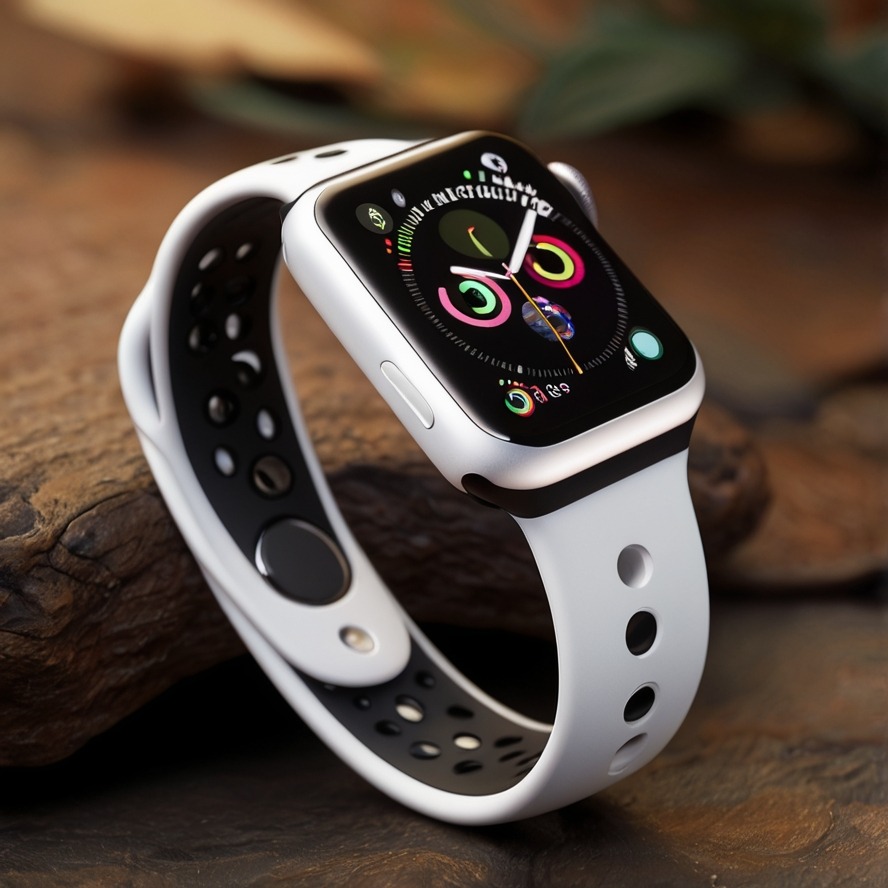
Among all consumer wearables, the Apple Watch has built a reputation for its impressive health features. Independent testing has shown that some models deliver exceptionally accurate heart-rate monitoring compared with competing devices.
The Apple Watch includes features such as:
ECG heart monitoring
Blood oxygen measurement
Fall detection
Emergency SOS alerts
Advanced workout tracking
But what truly sets it apart is its ecosystem. The watch integrates seamlessly with smartphones, health apps, and fitness services, creating a unified health platform.
It is not just a watch. It is a guardian quietly watching over your well-being.
Garmin Fitness Watches
Garmin devices occupy a special place in the hearts of athletes. These watches prioritize performance analytics and endurance tracking rather than lifestyle features.
Garmin watches provide advanced metrics like:
VO2 max estimates
Training load analysis
Recovery time predictions
GPS navigation for outdoor adventures
For runners, cyclists, and triathletes, these insights are invaluable. They transform training from guesswork into a precise science.
Garmin watches may not always offer the flashiest interfaces, but they excel at one thing: helping people push their physical limits safely and intelligently.
Best Fitness Bands for Everyday Tracking
Fitness bands represent the minimalist side of wearable technology. Unlike bulky smartwatches, these devices focus on essential health metrics while maintaining long battery life and affordable pricing.
Brands like Fitbit have popularized this category by making wearable health tracking accessible to millions.
A typical fitness band includes:
Step counting
Sleep tracking
Continuous heart rate monitoring
Calorie estimation
Smartphone notifications
The simplicity of these devices is their greatest strength. You don’t need complicated menus or dozens of apps. Just wear the band, move through your day, and watch your health patterns unfold.For many people beginning their fitness journey, a simple band becomes the first step toward a healthier lifestyle.
Smart Rings: The Future of Invisible Health Tracking
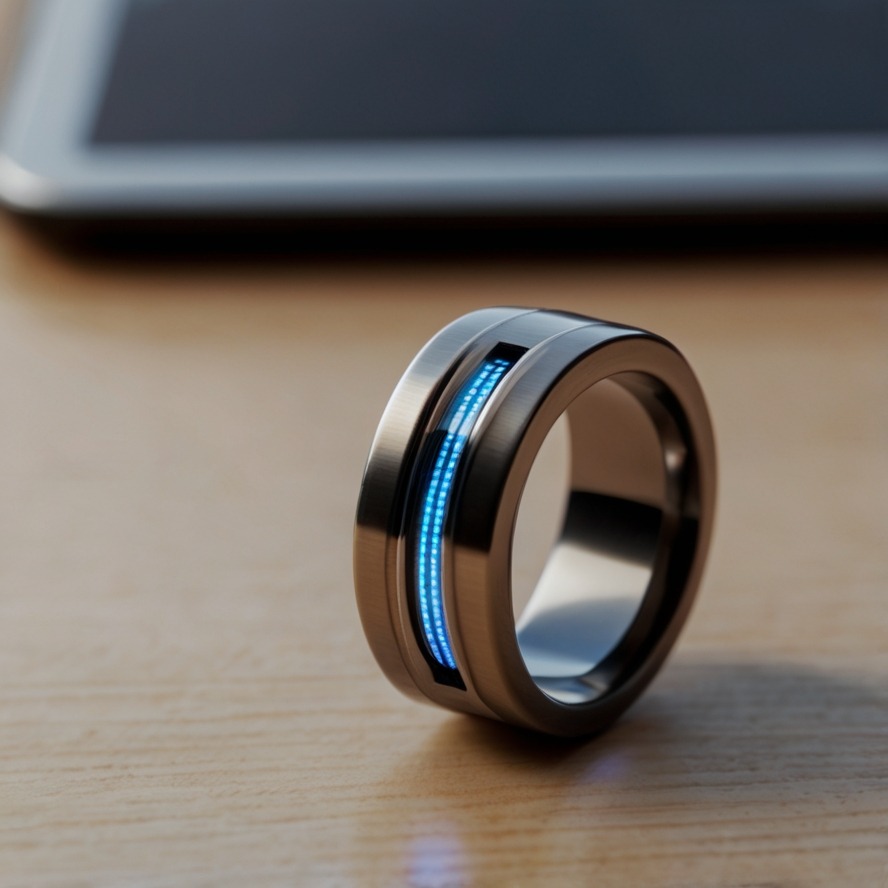
Not everyone enjoys wearing a smartwatch. Some people prefer something more subtle—something that blends seamlessly into everyday life.
Enter the smart ring.
These elegant devices pack sophisticated sensors into a small ring worn on the finger. One of the most well-known examples tracks sleep, heart rate, stress, and temperature while maintaining a minimalist design.
Recent models can monitor:
Sleep quality
Heart rate trends
Blood oxygen levels
Body temperature changes
Stress levels
What makes smart rings fascinating is their unobtrusive nature. You almost forget you’re wearing one.
Yet quietly, continuously, the ring gathers insights about your body. It becomes an invisible companion in your health journey.
Wearable Technology for Athletes
While casual users benefit from basic activity tracking, professional athletes demand deeper insights.
Specialized wearables focus on performance optimization, recovery analysis, and training load management.
Some devices are designed without screens at all. Instead, they collect data continuously and analyze it through smartphone apps.
Athletes rely on metrics such as:
Strain scores
Recovery scores
Heart rate variability
Sleep performance
These insights help determine whether the body is ready for intense training or needs recovery.The result is a new era of data-driven athletics, where training decisions are guided by physiological signals rather than guesswork.
AI and the Future of Wearable Health Devices
The next frontier for wearable technology lies in artificial intelligence.
Future devices will not only track health metrics but also predict health events before they happen. Imagine a wearable that detects early signs of illness days before symptoms appear.
Researchers are already experimenting with AI-powered smart clothing capable of monitoring muscle movement and breathing patterns during exercise with remarkable accuracy.
Soon, wearables may detect conditions like:
Heart rhythm abnormalities
Sleep disorders
Stress-induced fatigue
Early infection signals
The line between consumer gadgets and medical devices is slowly fading.Wearables are evolving into personal health guardians powered by artificial intelligence.

How to Choose the Right Wearable for Your Lifestyle
Selecting the perfect wearable device can feel overwhelming because dozens of options exist. The best choice depends on your personal goals, habits, and lifestyle.
Battery Life
Some smartwatches require daily charging, while fitness bands or smart rings can last several days or even weeks on a single charge.
If convenience matters to you, battery life should be a top priority.
Accuracy and Sensors
Look for devices with reliable sensors for heart rate monitoring, GPS tracking, and sleep analysis. Premium models often provide more accurate readings and deeper health insights.
Ultimately, the best wearable is the one that fits naturally into your daily routine.
Benefits of Using Wearable Health Technology
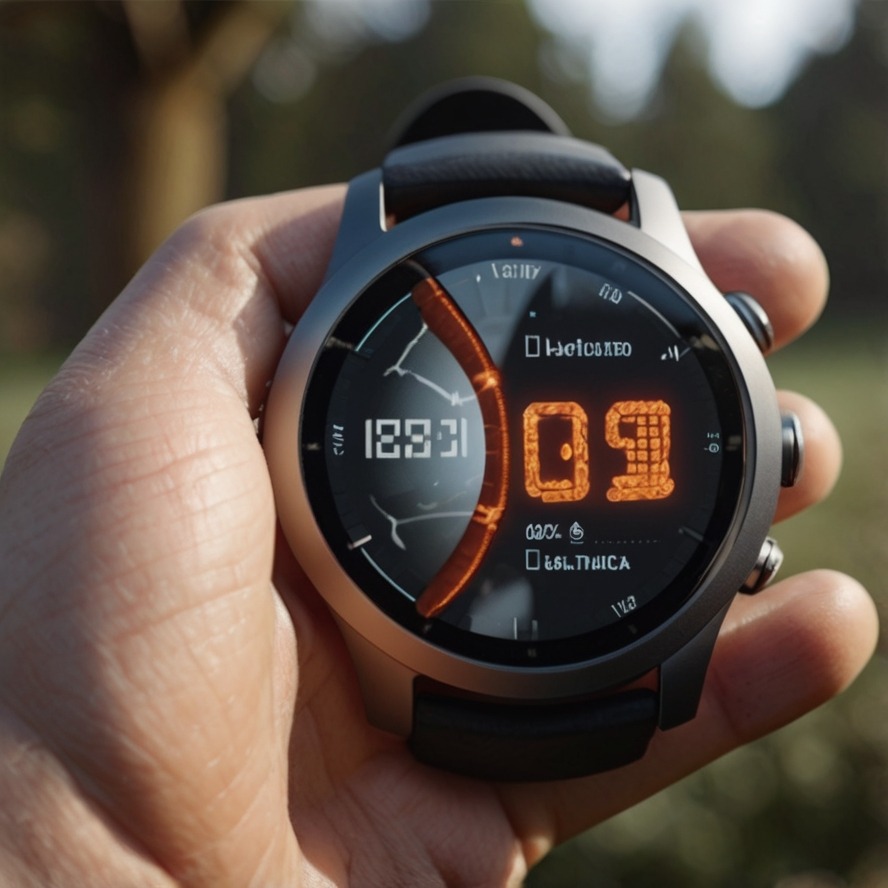
Wearable devices offer a wide range of benefits that extend beyond simple fitness tracking.
They encourage healthy habits by reminding users to move, hydrate, and rest. They provide motivation, turning everyday activity into measurable achievements. They also increase health awareness, helping people understand how lifestyle choices affect the body.
For some individuals, wearables even detect health irregularities that lead to early medical intervention.
When used thoughtfully, these devices become tools for self-discovery and personal transformation.
Challenges and Limitations of Wearables
Despite their impressive capabilities, wearable devices are not perfect.
Accuracy can vary depending on skin tone, body composition, and movement intensity. Some studies show that calorie estimates from smartwatches may deviate significantly from laboratory measurements.
Privacy concerns also remain a challenge. Nearly 47% of consumers worry about how their health data is stored or used by wearable companies.
Understanding these limitations helps users interpret wearable data responsibly.
The Future of Health Monitoring
The future of wearable technology feels almost poetic.
Soon, tiny sensors may be woven into clothing, embedded in earbuds, or integrated into medical implants. Health monitoring will become seamless, continuous, and deeply personalized.
Imagine a world where your wearable gently warns you before you become sick… where your smartwatch notices subtle changes in your heart rhythm… where your running shoes measure muscle fatigue.
That future is already beginning.
Wearables are no longer just technology. They are becoming extensions of human awareness.
Conclusion
Wearable technology has transformed the relationship between humans and their health. These devices translate the body’s quiet signals into meaningful insights—heartbeats into graphs, sleep into patterns, movement into progress.
From powerful smartwatches to minimalist smart rings, wearable devices now guide millions of people toward healthier lives. They encourage movement, improve sleep awareness, and help users understand the hidden rhythms of their bodies.
The best wearable technology does more than track data. It inspires change.
Because when people begin to see their health clearly, they begin to care for it differently.
And that is where true transformation begins.
FAQs
1. What is the most accurate wearable fitness tracker?
Many independent tests suggest premium smartwatches offer highly accurate heart-rate tracking. Accuracy can vary depending on the activity and sensor technology used.
2. Are wearable fitness trackers good for weight loss?
Yes. They help users track activity, calories, and sleep patterns, which encourages healthier habits and consistent physical activity.
3. Can wearable devices detect health problems?
Some wearables can detect irregular heart rhythms, abnormal heart rates, or low oxygen levels, which may prompt users to seek medical attention.
4. How long do wearable fitness trackers last?
Battery life varies widely. Fitness bands may last 7–14 days, while advanced smartwatches often require daily or multi-day charging.
5. Are wearable health devices safe?
Yes, most devices are safe for everyday use. However, their health measurements should be viewed as guidance rather than medical diagnoses.
The Pillow That Changes Everything
Revolutionary ergo design that works with your body for deep sleep and painless mornings.
Experience what true comfort feels like. The revolutionary butterfly design cradles your head and neck in perfect alignment, turning restless nights into deep, pain-free, rejuvenating sleep.
Last day to grab this BIG -75% OFF promo
No Pain In The Morning
Risk-Free Trial