Why Your Toothbrush Choice Matters More Than You Think
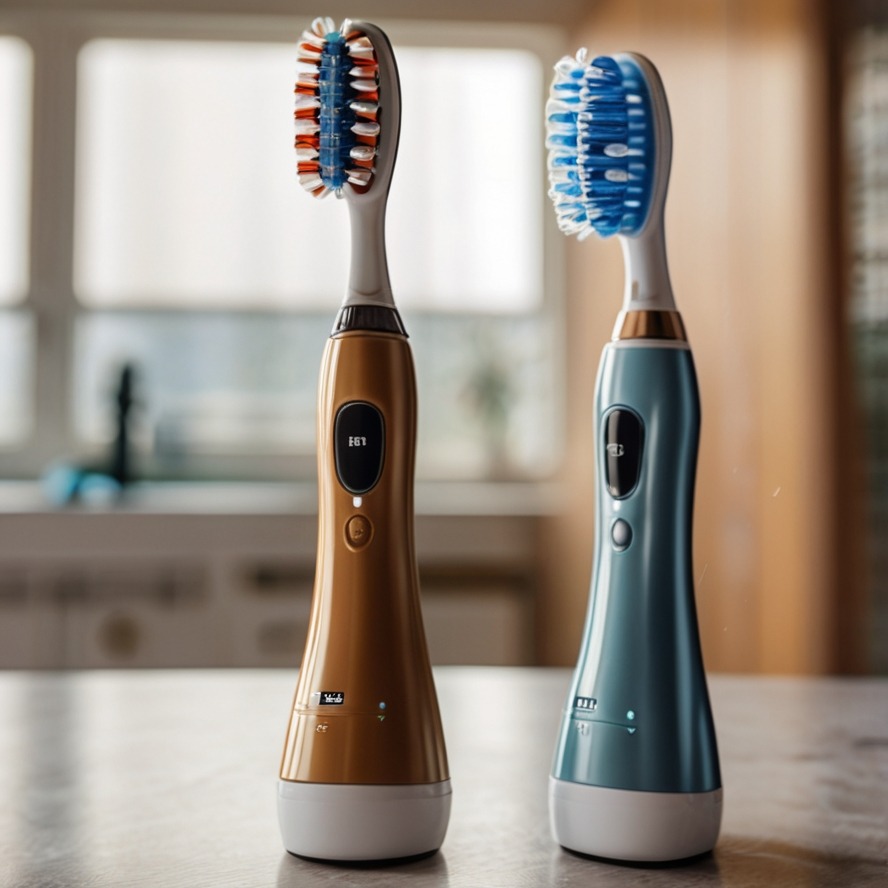
Your toothbrush looks simple. Small handle, soft bristles, maybe a splash of color. Yet this tiny tool silently decides whether your smile stays healthy or slowly drifts toward cavities, gum disease, and expensive dental visits. Most people treat brushing like a routine chore — something done half-awake in the morning or rushed before bed — but the truth is emotional and personal: your brushing habits shape how confidently you smile, speak, and even eat.
Dentists consistently emphasize that oral hygiene is not just cosmetic. Gum inflammation has been associated with broader health issues because the mouth acts as the gateway to the body. When plaque builds up, bacteria don’t politely stay on teeth; they influence systemic inflammation. That means choosing between a manual toothbrush and an electric toothbrush isn’t just about convenience — it’s about how effectively you remove harmful biofilm every single day.
Many people assume technology automatically wins. Others believe traditional methods are perfectly adequate. The reality sits somewhere in between. Scientific evidence shows differences, but human behavior plays an equally powerful role. The best toothbrush isn’t always the most advanced one — it’s the one that helps you brush correctly and consistently.
Table of Contents
ToggleThe Hidden Connection Between Oral Health and Overall Health
Think of plaque as a sticky city of bacteria constantly rebuilding itself on your teeth. Within hours after brushing, it begins forming again. If not removed properly, this bacterial layer hardens into tartar, irritates gums, and leads to gingivitis — the earliest stage of gum disease.
Research summarized by dental organizations shows that powered toothbrushes can reduce plaque and gingivitis more effectively over time. A major review involving over 5,000 participants found a 21% reduction in plaque and an 11% reduction in gingivitis after three months of electric toothbrush use compared with manual brushing.
Those numbers matter emotionally, not just statistically. Less plaque means fewer bleeding gums. Fewer dental warnings. More confidence when you laugh without worrying about bad breath or hidden decay.
The Psychology Behind Brushing Habits
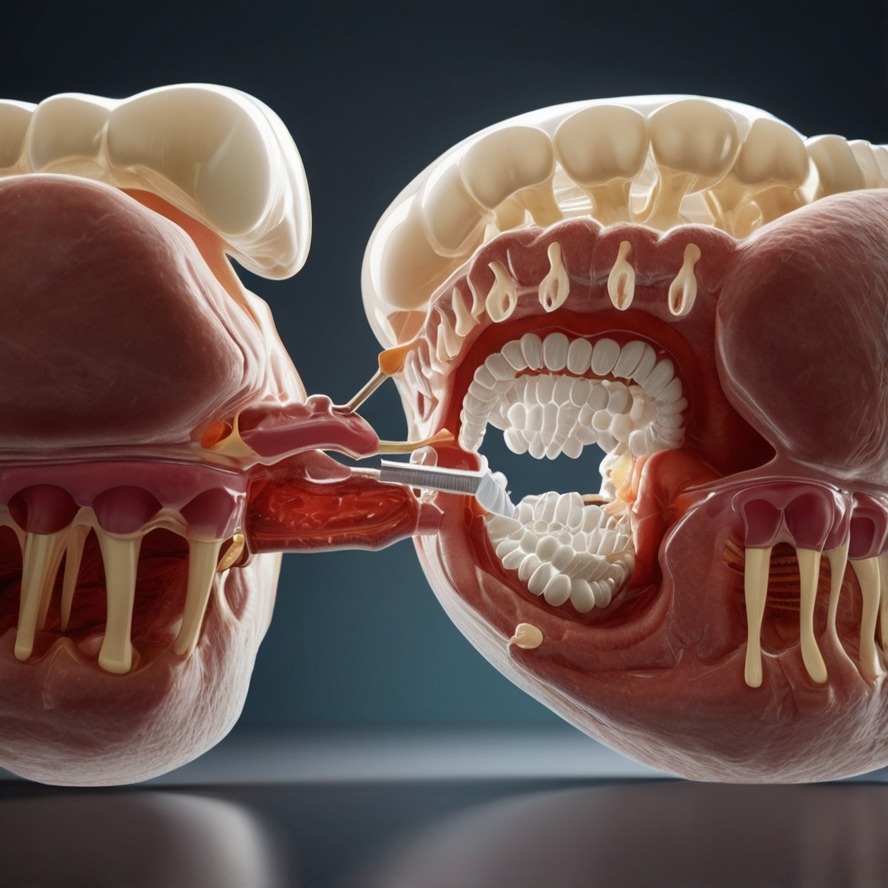
Here’s something fascinating: brushing success often has less to do with strength and more to do with motivation. Electric toothbrushes introduce timers, vibrations, and guided cleaning zones that subtly train users to brush longer and more evenly. It’s like having a tiny coach in your hand reminding you, “Stay here a little longer.”
Manual brushing relies entirely on discipline. When life gets busy, technique slips. People scrub too hard, miss back teeth, or stop brushing before the recommended two minutes. Over months and years, those small shortcuts accumulate into dental problems.
So before comparing technology, understand this: toothbrush effectiveness is partly mechanical and partly behavioral.
Understanding Manual Toothbrushes
How Manual Toothbrushes Actually Clean Teeth
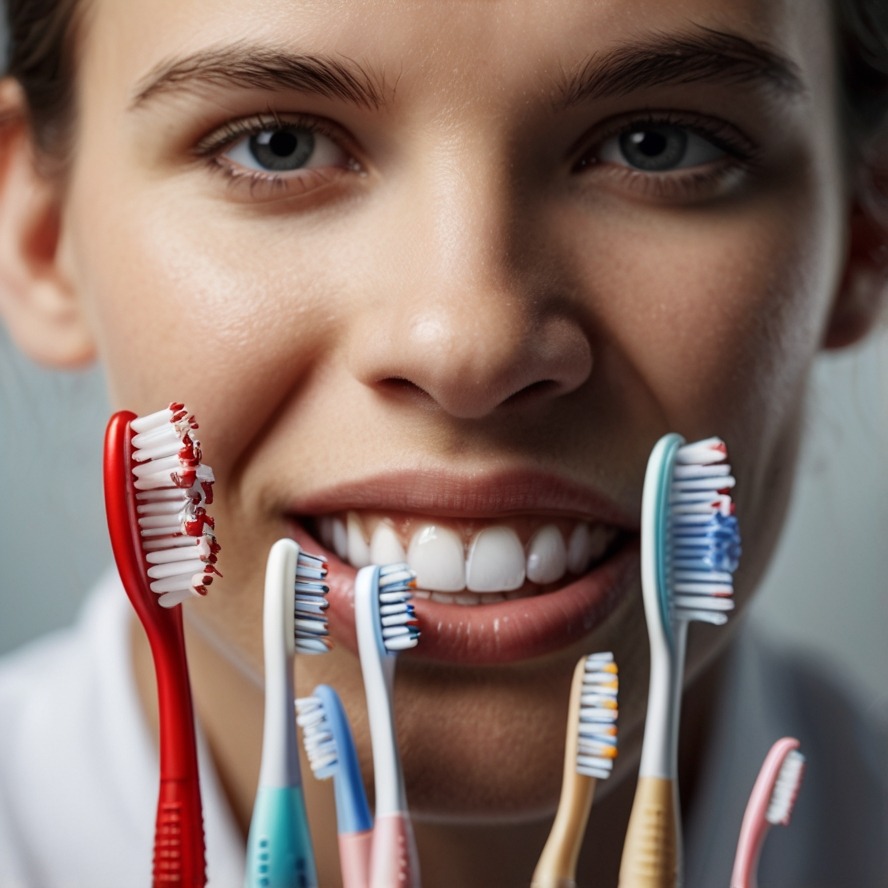
Manual toothbrushes work through direct mechanical friction. Every stroke you make physically disrupts plaque colonies attached to enamel and gumlines. When used correctly — angled at roughly 45 degrees toward the gums with gentle circular motions — manual brushes can clean teeth extremely well.
Dentists often compare manual brushing to driving a manual transmission car. It gives full control but demands skill. Pressure, angle, and coverage depend entirely on the user’s awareness. Done properly, it’s precise and effective. Done poorly, it misses critical areas or damages gums.
Because manual brushes lack automated motion, consistency becomes the biggest challenge. Humans naturally vary speed and pressure, especially when distracted or tired.
Benefits of Using a Manual Toothbrush
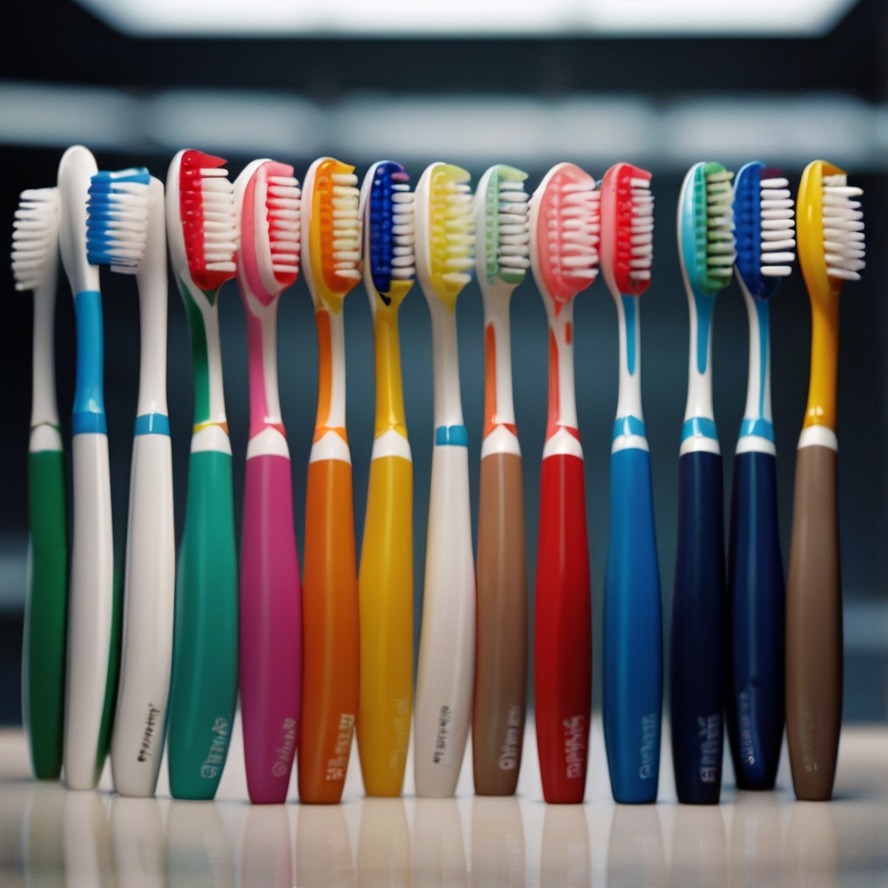
Manual toothbrushes remain popular worldwide for good reason. They are accessible, affordable, and simple. No charging cables, no replacement heads beyond the brush itself, and no technology learning curve.
Key advantages include:
Complete control over brushing pressure
Low cost and easy replacement
Travel-friendly design
No dependency on batteries or charging
Many dentists agree that a well-trained brusher using a manual toothbrush can achieve excellent results. Technique truly matters.
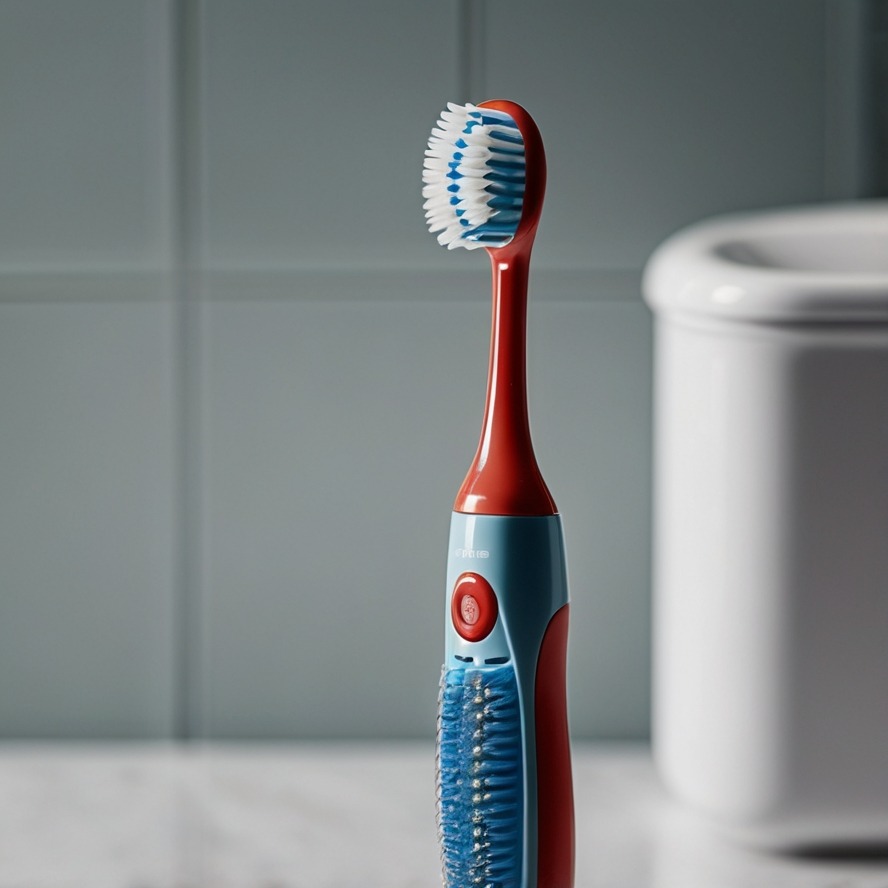
Limitations Most People Ignore
The emotional trap with manual brushing is overconfidence. Many people believe they brush thoroughly — yet plaque often hides in hard-to-reach areas like molars and gum margins.
Studies show that improper brushing technique is common and can even cause gum recession or tooth sensitivity when excessive force is used.
In other words, manual brushing doesn’t fail because the tool is weak; it fails because humans are inconsistent.
Understanding Electric Toothbrushes
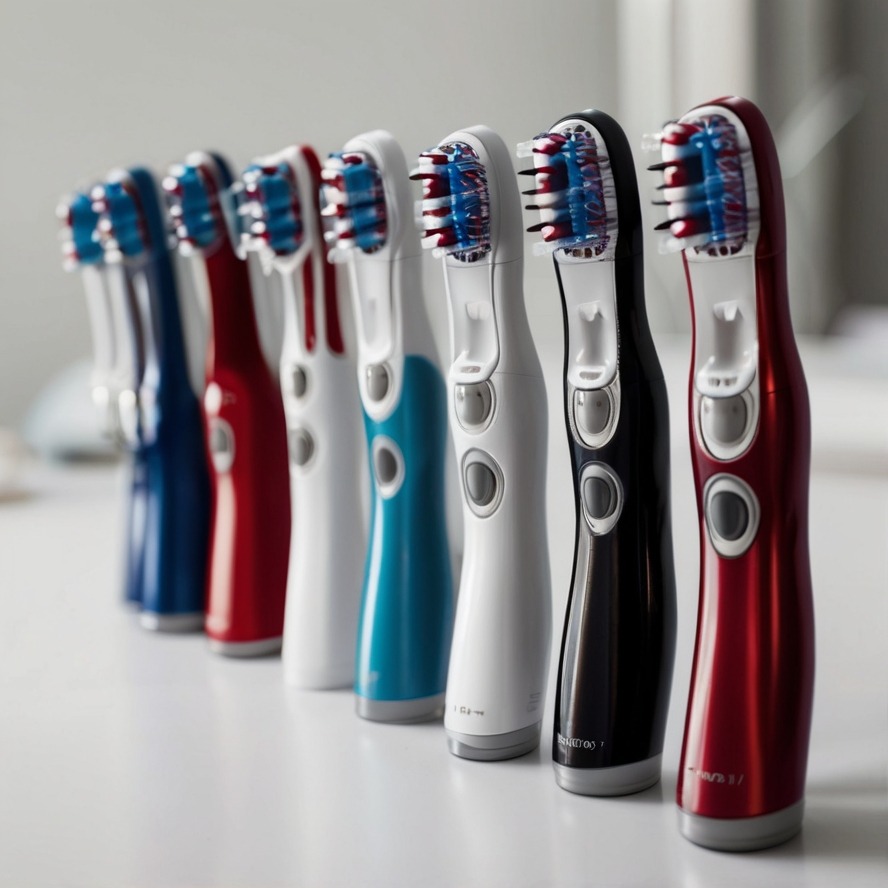
How Electric Toothbrush Technology Works
Electric toothbrushes amplify brushing motion far beyond human capability. Instead of relying on wrist movement, powered brushes use oscillating, rotating, or sonic vibrations to disrupt plaque efficiently.
Some models produce tens of thousands of micro-movements per minute — far more than manual strokes could ever achieve. This rapid motion helps loosen plaque even slightly beyond direct bristle contact, especially along gumlines.
Think of it like washing dishes. You can scrub by hand, or you can use a powered dishwasher that maintains consistent motion and pressure every second.
Types of Electric Toothbrushes Explained
Electric toothbrushes generally fall into two main categories:
| Type | Motion Style | Best For |
|---|---|---|
| Oscillating-Rotating | Small round head spins | Deep plaque removal |
| Sonic | High-frequency vibration | Gentle cleaning & sensitive gums |
Clinical reviews suggest oscillating-rotating brushes often show slightly stronger plaque reduction results, though both outperform manual brushing overall.
Built-In Features That Change Brushing Behavior
Modern electric toothbrushes include behavioral tools that significantly impact oral hygiene:
Two-minute timers
Pressure sensors preventing aggressive brushing
Quadrant pacing reminders
Smart tracking apps
These features may seem minor, yet they solve the biggest brushing problem: inconsistency. People brush longer and more evenly when guided automatically.
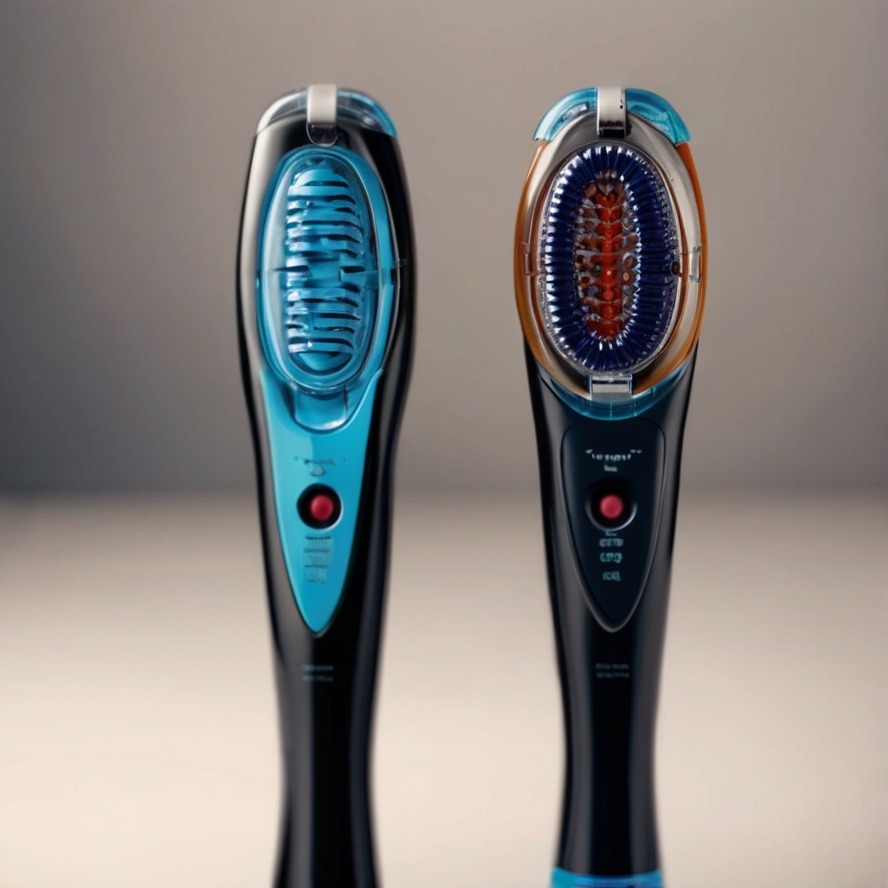
Scientific Comparison: Electric vs Manual Toothbrush
Plaque Removal and Gum Health Studies
Clinical evidence consistently favors electric toothbrushes for plaque removal. Comparative trials show significantly lower plaque scores among powered brush users after several weeks of use.
In children, electric toothbrushes demonstrated dramatically higher plaque reduction — in some cases improving back-tooth cleaning by over 100% compared with manual brushing.
This difference matters because molars are cavity hotspots where manual brushing frequently fails.
Enamel Safety and Brushing Pressure
One concern people raise is enamel damage. Recent research indicates electric brushes may cause slightly greater surface wear on already acid-eroded enamel if used improperly.
This doesn’t mean electric brushes are dangerous. Instead, it highlights an important principle: technique still matters. Gentle pressure and soft bristles remain essential regardless of brush type.
Long-Term Oral Health Outcomes
Long-term studies examining gum recession show no harmful effects when powered brushes are used correctly over extended periods.
What ultimately predicts oral health success isn’t the device alone — it’s consistent plaque removal over years.
Who Should Choose an Electric Toothbrush?
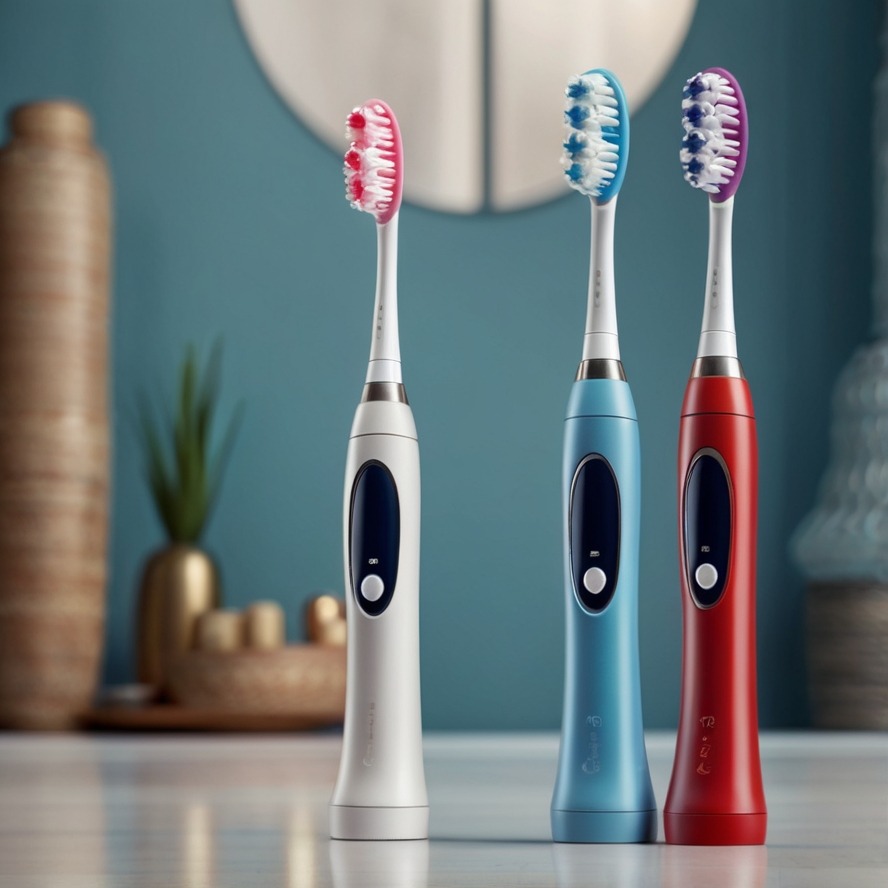
Children, Seniors, and People With Limited Dexterity
Electric toothbrushes shine when physical coordination is limited. Children often lack refined brushing skills, while older adults or individuals with arthritis may struggle with precise hand movements.
Research shows children using electric toothbrushes achieved significantly better plaque control because the device compensates for imperfect technique.
People Struggling With Consistency
If you often rush brushing or feel unsure whether you cleaned thoroughly, electric brushes act like structured guidance. Timers and motion consistency reduce guesswork, turning brushing into an easier habit rather than a chore.
Who Should Choose a Manual Toothbrush?
Budget-Focused Users
Manual toothbrushes remain unbeatable in affordability. For households managing tight budgets, a soft-bristle manual brush replaced every three months still provides strong protection when used properly.
Dental professionals frequently stress that cost should never become a barrier to daily oral hygiene.
Technique-Focused Brushers
Some people enjoy precise control and mindful brushing. If you already brush gently for two full minutes and maintain excellent dental checkups, switching to electric may not dramatically change outcomes.
Skill can rival technology when discipline is high.
Cost vs Value: Is an Electric Toothbrush Worth It?
Short-Term Cost vs Long-Term Dental Savings
Let’s compare realistically:
| Factor | Manual Toothbrush | Electric Toothbrush |
|---|---|---|
| Initial Cost | Very low | Moderate–high |
| Replacement | Full brush | Replace head only |
| Plaque Removal | Technique-dependent | Consistently high |
| Ease of Use | Requires skill | Beginner-friendly |
| Long-Term Dental Savings | Variable | Potentially higher |
If an electric toothbrush prevents even one cavity or gum treatment, many dentists argue it pays for itself emotionally and financially.
Dentist Recommendations and Expert Opinions
Dental experts often emphasize a balanced perspective. According to clinical commentary, electric toothbrushes can improve outcomes, especially for individuals who struggle with technique or motivation. Still, professionals repeatedly remind patients that no toothbrush replaces flossing and proper brushing habits.
The message is simple: tools help, but habits heal.
How to Brush Correctly (No Matter Which You Choose)
Regardless of brush type:
Use soft bristles
Brush for two full minutes
Angle toward gumlines
Avoid aggressive pressure
Replace brushes or heads every 3–4 months
Consistency beats perfection. Gentle, thorough cleaning twice daily transforms oral health more than expensive gadgets alone.
Final Verdict — Which Toothbrush Wins?
Emotionally, people want a clear winner. Scientifically, the answer is nuanced.
Electric toothbrushes generally provide better plaque removal, improved gum health, and more consistent brushing behavior. Manual toothbrushes remain fully effective when used with excellent technique and dedication.
The real winner is the brush that makes you brush better — every day, without fail.
Conclusion
Your smile tells a story before you even speak. It reflects habits built quietly over years — mornings you felt motivated, nights you brushed despite exhaustion, and choices you made about caring for yourself.
Electric toothbrushes bring technology, guidance, and consistency into daily hygiene. Manual toothbrushes offer simplicity, control, and affordability. Both can protect your teeth, but only when paired with mindful habits.
If you struggle with consistency, an electric toothbrush may feel like upgrading from guesswork to confidence. If you already maintain disciplined technique, a manual brush can serve you perfectly well.
The secret isn’t choosing the most advanced tool. It’s choosing the one you’ll actually use correctly tomorrow morning — and every morning after that.

FAQs
1. Are electric toothbrushes really better than manual ones?
Studies consistently show electric toothbrushes remove more plaque and reduce gingivitis more effectively, though manual brushes can perform equally well with proper technique.
2. Can electric toothbrushes damage teeth?
Not when used correctly. Excess pressure or brushing immediately after acidic foods can increase enamel wear, regardless of brush type.
3. Do dentists recommend electric toothbrushes?
Many dentists recommend them, especially for children, seniors, and people who struggle with brushing technique.
4. Is a cheap electric toothbrush still effective?
Yes. Even basic powered models often improve brushing consistency compared to manual brushes.
5. How often should I replace my toothbrush?
Every 3–4 months, or sooner if bristles become frayed.
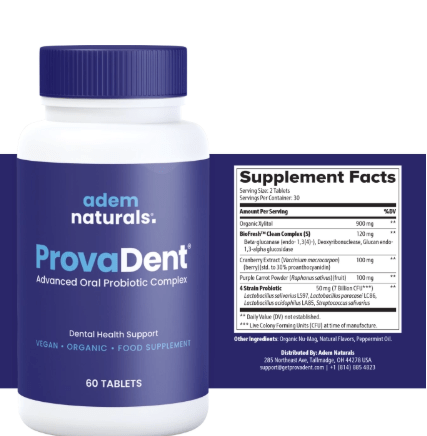
Introducing Adem Naturals Provadent. Your Path to Optimal Health
A Simple Daily Habit for a Healthy, Confident Smile
Just days after trying this simple little ‘oral treat’, the bleeding completely stopped.
“I never imagined the real cause of my oral problems was something hidden beneath the surface – something brushing, flossing, and mouthwash never touched. But just days after trying this simple little ‘oral treat,’ the bleeding completely stopped, my sensitivity disappeared, and my breath stayed fresh all day. When my dentist said he’d never seen my gums look this healthy, I knew this tiny chewable was doing something no toothpaste or rinse ever could.
For the first time, I feel like I’m finally winning the battle instead of just trying to manage the damage.”……………..